


A high pressure ball valve manages fluid flow under intense stress while ensuring bubble-tight isolation to prevent system-wide safety failures. On high-rise industrial pumping systems, even a small internal leak can delay commissioning schedules and rack up massive repair costs. Choosing the right pressure class is the difference between a successful startup and a catastrophic blowout during initial testing.
One installation insight I’ve gained is that trunnion-mounted designs are mandatory for maintaining low operating torque in systems operating at ASME Class 900 and above. In mining operations across Chile and Peru, failing to verify the pressure-temperature derating often leads to premature seat failure when the process temperature fluctuates. Real-world reliability depends on matching the specific alloy to the peak surge pressures of the media.
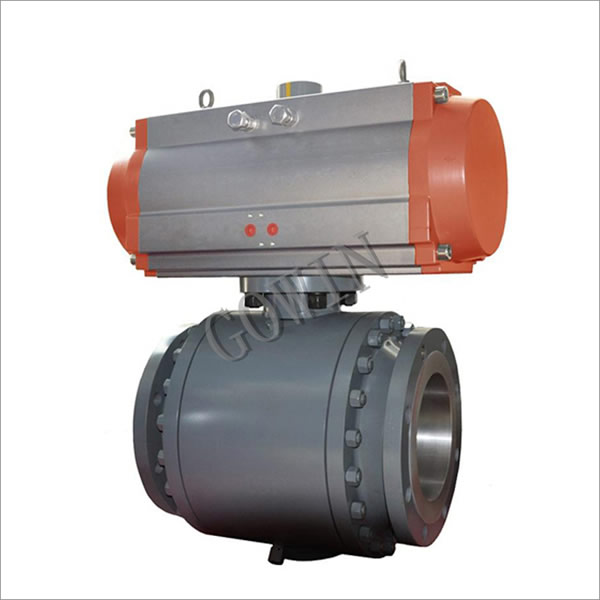
- Nominal diameter: 1/2″-56″ DN15-DN1400
- Pressure: 150LB-2500LB 2.5Mpa-42.0Mpa
- End Connection: RF, RTJ, BW, THR, SW
- Temperature: -196℃-650℃
Why Operational Ratings Define Site Safety
Understanding the ball valve pressure rating is the first step in preventing equipment failure during high-altitude water transport or deep-well extraction. A common field mistake is assuming a valve can handle its maximum PSI at all temperatures; in reality, as heat increases, the metal’s ability to withstand pressure decreases significantly. For contractors, the goal is “operational continuity”—keeping the plant running without unplanned maintenance stops in remote locations.
Using a technical valve pressure rating chart allows you to cross-reference your maximum allowable working pressure (MAWP) with the specific alloy’s performance at your operating temperature. I recommend standardizing on American standards (ANSI/ASME) for most global projects, as this simplifies the replacement of parts and ensures the valves bolt up perfectly to existing flanges.
Comparing Industrial Pressure Classes

In high-stakes environments like the Andes or offshore platforms, the selection typically centers on specific ASME classes to guarantee structural safety under surge conditions. A class 900 ball valve is often the baseline for mining slurry lines and high-pressure water distribution. However, for volatile gas injection or power station steam lines, a class 1500 ball valve is often the non-negotiable standard to handle extreme mechanical loads.
| Feature | Requirement | Field Benefit |
|---|---|---|
| Testing Standard | API 598 / ISO 5208 | Ensures zero leakage (bubble-tight). |
| Material Traceability | EN 10204 3.1 Cert | Verifies chemical and mechanical alloy properties. |
| Safety Feature | Anti-Blowout Stem | Prevents stem ejection under high PSI. |
| Construction | Forged Body | Superior strength and fatigue resistance over cast. |
Material Logic and Design Reliability
Material selection is the primary defense against internal erosion and external corrosion in harsh industrial sites. We often specify high pressure ball valve stainless steel (such as 316 or CF8M) for chemical processing or offshore platforms where salt-air exposure can destroy carbon steel in months. Forged steel is technically superior to cast bodies in these applications because the forging process removes internal porosity, resulting in a denser grain structure that better resists fatigue.
Selecting a high pressure ball valve also requires choosing between a floating or fixed design. For lower-pressure utility lines or smaller diameters, a forged steel floating ball valve is often sufficient due to its simpler structure. However, as pressure increases, understanding what is a trunnion mounted ball valve becomes critical; anchoring the ball at both ends reduces torque and prevents the seat wear that leads to leaks in floating designs under high loads.
Critical Applications and Sourcing
Industrial sectors depend on these valves for precision flow control in hazardous environments. For example, a ball valve for hydraulic system use must provide quick 90-degree actuation while maintaining a bubble-tight seal under rapid pressure shifts. For projects in Brazil, verify whether actuated valve assemblies must comply with NR-12 machinery safety requirements before installation and commissioning.
When vetting high pressure valves manufacturers, documentation is just as important as the hardware itself. I always demand an EN 10204 3.1 material certificate to verify the chemical and mechanical properties of the steel. Without this traceability, clearing customs at ports like Callao or proving safety to project insurers becomes a costly bottleneck.

- Nominal diameter: 1/2″-56″ DN15-DN1400
- Pressure: 150LB-2500LB 2.5Mpa-42.0Mpa
- End Connection: RF, RTJ, BW, THR, SW
- Temperature: -196℃-650℃
Installation and Maintenance Workflow

A hidden failure-point insight for field crews is that most seats are ruined during the first few hours of operation by construction debris. To avoid this, thoroughly flush the pipeline to remove welding slag and sand before cycling the valve. If you encounter high operating torque, do not force the actuator; this usually indicates that the seats are fouled or the stem is starting to gall.
- Flush the Line: Remove all internal debris to protect the precision-engineered seats.
- Check Heat Numbers: Match the physical stamp on the body to your 3.1 material certificate.
- Alignment: Ensure flanges are parallel to prevent uneven mechanical stress on the valve body.
- Verification: Review the Factory Acceptance Testing (FAT) reports for hydrostatic shell integrity at 1.5 times the rated pressure.
Conclusion
The correct high pressure ball valve is selected by matching the actual operating pressure, temperature, media, body material, and pressure class—not simply choosing the highest rating available. By prioritizing trunnion-mounted stability and insisting on API 6D pipeline standards, you eliminate the common field errors that cause downtime. For reliable infrastructure and expert flow control, browse the full range of ball valves to find a solution tailored to your project’s mechanical demands.
FAQ
What is a high pressure ball valve?
It is a flow control device engineered with forged bodies and trunnion supports to handle thousands of PSI while maintaining bubble-tight isolation and zero flow loss.
How do I troubleshoot high operating torque in the field?
High torque typically suggests that the seats are fouled with debris or the stem is galled; always check for internal obstructions and verify the valve was properly flushed before applying force.
How do I determine the correct pressure class?
Select the pressure class by evaluating maximum operating pressure and temperature against a ball valve pressure rating chart provided by the manufacturer to ensure compliance with ASME B16.34 ratings.


 CHINA
CHINA LIBERIA
 FRANCE
 BARBADOS
 KIRIBATI

