


To select a high-performance industrial valve for mining Chile, you must match the metallurgy and seat design to the abrasive nature of copper slurry and the high-pressure demands of Andean pipelines. Selecting an incorrect valve for these high-altitude sites leads to immediate seal erosion and expensive unplanned shutdowns. Most contractors find that a metal-to-metal seat provides the only reliable barrier against the grit found in Chilean tailings.
Proper field installation requires precise alignment to prevent uneven seat wear, especially when dealing with heavy-duty forged components. On remote Andean sites, even a minor valve failure can stop production for days while waiting for replacement parts. Ensuring your hardware is built for these extreme pressure environments is the only way to maintain operational uptime.
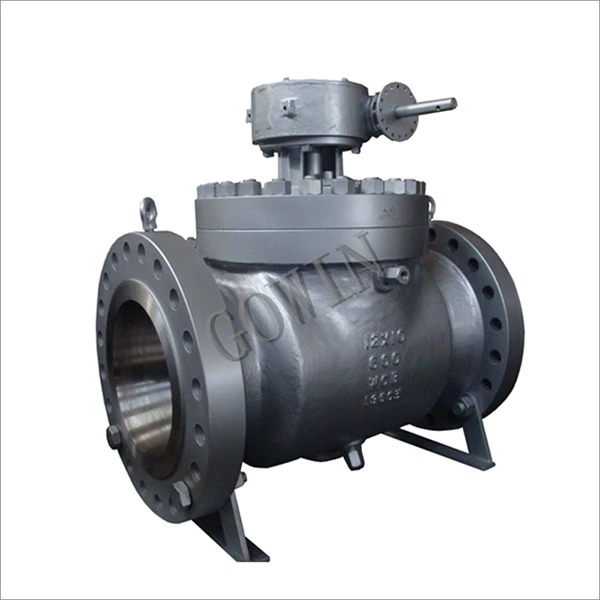
Design standard: ISO14313、API 6D、BS 5351、GB/T 19672.
Simple structure with good tightness and small torque.
One piece type body.
Have reduce bore type and full bore type with the minimum flow resistance (zero actually).
Why Chile Mining Industry Demands High-Performance Valves

Chile’s copper mining infrastructure operates in a unique loop from the coast to the high cordillera, where valves must manage everything from corrosive seawater intake to high-density concentrate transport. Moving massive volumes of mineral concentrate across the Andes creates extreme pressure fluctuations that standard utility valves cannot manage.
These demands aren’t unique to Chile—Gowin has supplied high-performance valves for large-scale gold mining operations in West Africa as well, including Montage Gold’s Koné Project in Côte d’Ivoire, one of the region’s largest gold mines currently under construction.
Key Valve Types Used in Mining Applications
Matching valve architecture to the operational workflow is vital for equipment longevity. For heavy-solids tailings, a specialized slurry valve like a slab gate or metal-seated ball design is necessary to ensure the flow path is cleared during every cycle without packing the cavity with solids.
| Valve Type | Primary Application | Practical Field Benefit |
|---|---|---|
| Mortar Valve | High-density tailings & backfill | Handles thick solids without jamming |
| Ball Valve | Concentrate isolation & ESD | Metal-to-metal scraper action clears grit |
| Gate Valve | Raw water & isolation pipelines | Full-port flow; low pressure drop |
| Check Valve | Pump discharge stations | Dual-plate design prevents backflow |
| Butterfly Valve | Utility & desalination water | Lightweight for high-altitude installation |
| Wellhead & Manifolds | Extraction & pressure control | Forged construction for extreme containment |
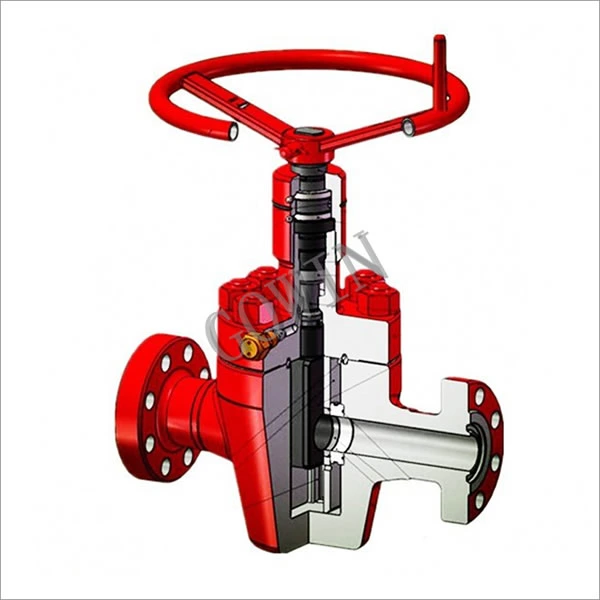
- Nominal diameter: 1/2″-60″ DN15-DN2000
- Pressure: 150LB-2500LB 0.6Mpa-42.0Mpa
- End Connection: RF, RTJ, BW, THR, SW
- Temperature: -196℃-650℃
Material Selection for Mining Conditions

The high chloride content of desalinated water pumped to Chilean mines requires that every component be a corrosion resistant valve to avoid pitting and structural failure. Professional engineers typically specify duplex stainless steels or high-performance lined butterfly valves for seawater intake and brine management.
For gold mining operations like Koné in Côte d’Ivoire, where processing involves cyanide leaching circuits, corrosion-resistant alloys and duplex stainless steel selections become critical, similar to the material demands seen in Chile’s copper slurry lines.
Engineering Challenges in Chile Mining Projects
Andean sites face hidden failure points in extreme temperature swings that impact actuator seals and lubricants, often causing thermal trips during frequent switching. Contractors must troubleshoot these issues during commissioning by specifying low-temperature seals and ensuring actuators are adequately sized for high-torque slurry applications.
Chilean mining operations face high altitude, slurry abrasion, and extreme temperature differences. Similarly, the Koné Project in Côte d’Ivoire presents engineering challenges related to valve lifespan under high-frequency switching and high-volume flow conditions, making forged components essential for long-term reliability. Using forged steel components provides the structural grain density needed to survive these thermal and pressure cycles.
Gowin Manufacturing Advantage
Vetting a valve manufacturer China requires looking for API-certified production and high-pressure forged valve capabilities. Every industrial valve for mining Chile produced in our facility is compliant with API 6D, API 600, API 608, and ASME B16.34 standards to ensure field reliability in remote locations.

Gowin has delivered OEM-customized valve packages for gold mining infrastructure at Montage Gold’s Koné Project in Côte d’Ivoire, demonstrating our capability to meet large-scale mining project specifications across different continents. Every order undergoes strict quality control in our ISO 17025 accredited laboratory, including pressure testing, leakage testing, and torque assessments.
Selection Checklist
- Pressure Rating: Confirm the valve meets API 6D requirements for pipeline surges.
- Media Type: Use metal seats for abrasive tailings; soft seats will be shredded by copper concentrate.
- Abrasion Level: Hardened trims like Tungsten Carbide are mandatory for severe slurry service.
- Maintenance Access: Top-entry designs allow for in-line repairs, saving site maintenance downtime.
- Certification Requirement: Verify Fire Safety (API 607/6FA) and fugitive emissions documentation before commissioning.
Conclusion
Investing in a high-quality industrial valve for mining Chile is an insurance policy against the harsh environmental stressors of the Atacama. By prioritizing forged materials and site-specific seat designs, you eliminate the common points of failure that lead to unplanned shutdowns. Partnering with a manufacturer that has global experience ensures your infrastructure is built to survive the world’s most demanding sectors.
FAQ
What is an API 6D certified valve?
It is a valve manufactured to the American Petroleum Institute’s standards for pipelines, ensuring specific pressure containment and leakage criteria are met for industrial safety.
How do you fix a valve that won’t fully close in a tailings line?
This is typically caused by solids packing the cavity. Troubleshoot the issue by cycling the valve to let the scraper seats clear debris, then check for seat erosion.
Why is valve alignment critical during installation?
Poor alignment causes uneven loading on the internal seats, leading to localized wear and seal failure within a few weeks of commissioning.


 CHINA
CHINA LIBERIA
 FRANCE
 BARBADOS
 KIRIBATI

