


If your line is carrying flammable liquids or gas, a leaking valve during a fire can turn a small incident into a major disaster. That’s why many engineering teams now treat a fire-safe shut-off valve as a mandatory safety layer, not just a design option.
As an industrial valve manufacturer with experience in high-risk applications, GOWIN helps operators in oil and gas, chemical, power, and tank farm applications specify the right protection for high-risk pipelines. In this guide, we’ll answer a practical question many buyers ask: what a fire-safe valve does and show how to select the right design and partner for your next project.
What does a fire-safe valve do?
A fire-safe isolation valve is an industrial shut-off valve designed to maintain tight sealing during and after exposure to a fire. Even if soft seats and seals are damaged by heat, the valve’s backup metal-to-metal sealing surfaces limit internal and external leakage, so flammable media cannot continue feeding the fire.
In simple terms, this type of valve is engineered and tested to keep isolating the line even when exposed to flame and extreme temperature.
Typical applications include hydrocarbon and chemical pipelines, storage terminals and tank farms, offshore platforms and LNG facilities, as well as refining, petrochemical, and power generation plants. In most of these systems, the preferred solution is a fire safe ball valve because it combines quick quarter-turn operation with strong shut-off capability in both normal and emergency conditions.
How does a fire safe ball valve work?
Under normal operation, a fire-safe ball valve uses soft seats (such as PTFE) to achieve bubble-tight shut-off and low operating torque. During a fire, those soft materials can burn or degrade. A true ball valve fire-safe design anticipates this by adding a secondary metal seal that engages once the soft seat is damaged.
Key design features often include a secondary metal-to-metal seat that continues to seal after the soft seat is exposed to fire, fire-resistant stem packing (commonly graphite), anti-static devices between the ball, stem, and body, and a blow-out-proof stem construction that keeps the stem securely in place under extreme conditions. When specified correctly, a properly designed valve with fire-tested construction helps contain product in the line so the fire does not escalate, buying valuable time for emergency response.
API fire-test valve standards you should know
To claim fire-safe performance, a valve design must pass recognized fire tests. The most common API fire-test standards for valves are:
- API 607 – Fire test for soft-seated quarter-turn valves, often referenced for API 607–tested ball valve designs
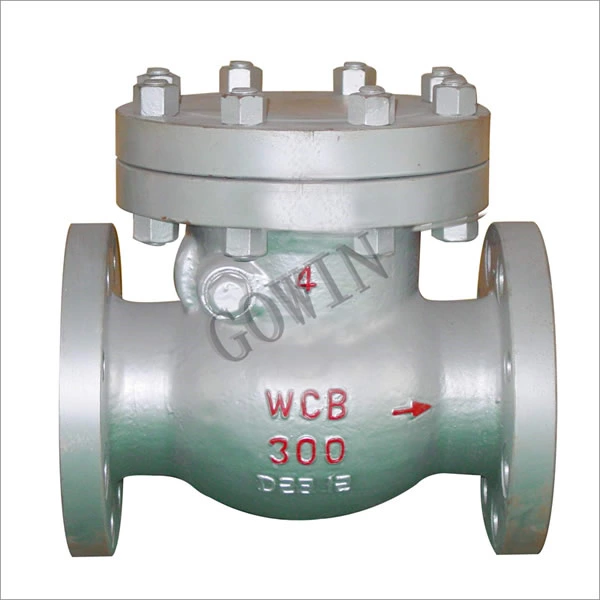
- API 6FA – Fire test for gate, globe, and check valves
- ISO 10497 – International fire test standard for valves
During these tests, the valve is exposed to direct flame for a specified time and temperature, then cooled and pressurized. Leakage to the atmosphere and downstream is measured against strict limits before the valve can be marked as fire safe.
For example, many engineers specify an API 607–certified ball valve with fire-safe design when they need proven protection on hydrocarbon isolation lines. These standards make it easier to compare different fire-tested valve options on an apples-to-apples basis across suppliers.
What is the difference between fire safe and fire tested valves?
The question “What is the difference between fire safe and fire tested valves?” comes up frequently in project meetings.
- Fire-safe design means the valve has construction features (secondary seats, graphite packing, anti-static parts) intended to perform in a fire.
- Fire-tested means that the specific valve design has successfully passed a formal fire test like API 607 or API 6FA at an accredited laboratory.
Ideally, you want both: a robust design that is also tested and certified. When reviewing datasheets, look for explicit references to the standard (for example, “API 607–certified fire-tested ball valve”) rather than generic “fire safe” wording.
Choosing a fire safe design ball valve manufacturer
Once you understand the basics, the next step is deciding which fire-safe design ball valve manufacturer to trust. Not all products that mention “fire safe” offer the same level of engineering or documentation.
When you shortlist a fire-safe design ball valve supplier, check:
- Standards and certifications – Clear mention of API 607 / API 6FA, ISO, and other quality systems
- Design details – Proven metal-to-metal backup seats, fire-resistant packing, and anti-static paths
- Material options – Carbon steel, stainless steel, and special alloys for corrosive or high-temperature service
- Testing and traceability – Test reports, material certificates, and serial-number tracking
- Engineering support – Ability to adapt the design to your pressure class, temperature, and media
Working with a China-based fire-safe valve specialist like GOWIN fire-safe valve solutions gives global OEMs, EPCs, and distributors access to ball valves with fire-tested and anti-static features, backed by a documented quality system.
For projects where uptime and safety are critical, partnering with experienced fire-tested ball valve manufacturers reduces risk and simplifies audits.
Linking design to real products
It’s not enough to understand the theory; you also need real hardware that fits your line sizes, pressure ratings, and end connections.
GOWIN’s portfolio of ball valves includes forged and cast designs with fire-safe, anti-static, and blow-out-proof stems suited to demanding oil, gas, and chemical service. By matching process conditions with the right configuration, you can standardize on a product line that covers both normal isolation and emergency scenarios.
When should you specify a fire safe valve?
In many regions, regulations, insurance requirements, or internal standards already define where fire-safe equipment is mandatory. In general, consider a valve with a fire-tested design whenever:
- The line carries flammable or explosive media
- A leak in a fire could feed additional fuel to the flames
- The valve is close to potential ignition sources
- The pipeline runs through occupied or environmentally sensitive areas
Typical examples include:
- Pump discharge lines
- Tank inlet and outlet valves
- Loading arms and truck/ship loading stations
- Fuel gas skids and burner lines
- Flare or relief-related equipment
In these locations, a fire-safe ball valve provides rapid shut-off even if control systems fail, especially when combined with actuators, fusible links, or emergency shutdown logic.
Conclusion
Fire incidents are low-frequency but high-consequence events. Choosing the right fire safe valve is one of the simplest ways to prevent a manageable fire from turning into a catastrophic loss.
By understanding how fire-safe ball valves work, what API standards apply, and how to evaluate fire-tested ball valve manufacturers, you can make better decisions at the specification stage. Partnering with an experienced fire safe design ball valve supplier like the GOWIN valve engineering team means your valves are designed, tested, and documented to perform when it matters most.
If you’re planning a new project or upgrading an existing facility, talk with the GOWIN engineering team about fire-safe options for your critical isolation points. Contact us for a quote today.
Key Takeaways
- A fire-safe shut-off valve maintains sealing even after soft seats and packing are damaged by fire, using secondary metal-to-metal sealing surfaces.
- API 607 and API 6FA define how fire-safe performance is tested, making it easier to compare products and confirm compliance.
- Working with a certified fire-safe valve partner in China helps you balance safety, performance, and lifecycle cost across your pipeline or plant.
FAQs
1. How does a fire-safe ball valve work in simple terms?
A fire-safe ball valve is a quarter-turn shut-off valve designed to keep sealing even if a fire damages its soft internal parts. In normal service, it relies on soft seats for bubble-tight shut-off and low torque. If those seats burn or deform in a fire, a secondary metal seat takes over, so the line stays isolated and does not continue feeding fuel to the flames.
2. Where are fire-safe valves required?
Fire-safe valves are usually required wherever pipelines handle flammable or hazardous fluids, such as refineries, chemical plants, gas processing facilities, storage terminals, and fuel-handling systems.
3. Do all valves in a plant need to be fire safe?
No. Valves on water, air, or other non-flammable services usually do not need fire-safe certification. Focus on fuel, solvent, and hydrocarbon lines where a leak would worsen a fire.
4. How can I confirm if a valve is API fire safe certified?
Check the nameplate, datasheet, and test reports for API 607 or API 6FA. A true API fire-safe certified valve will have clear fire-test documentation for that specific valve design.
5. Who should I talk to when I’m not sure what to specify?
When you’re unsure, involve your process safety team and your valve partner early. A qualified fire-safe design ball valve manufacturer like GOWIN can review your conditions and recommend suitable fire-safe isolation solutions.


 CHINA
CHINA LIBERIA
 FRANCE
 BARBADOS
 KIRIBATI

