


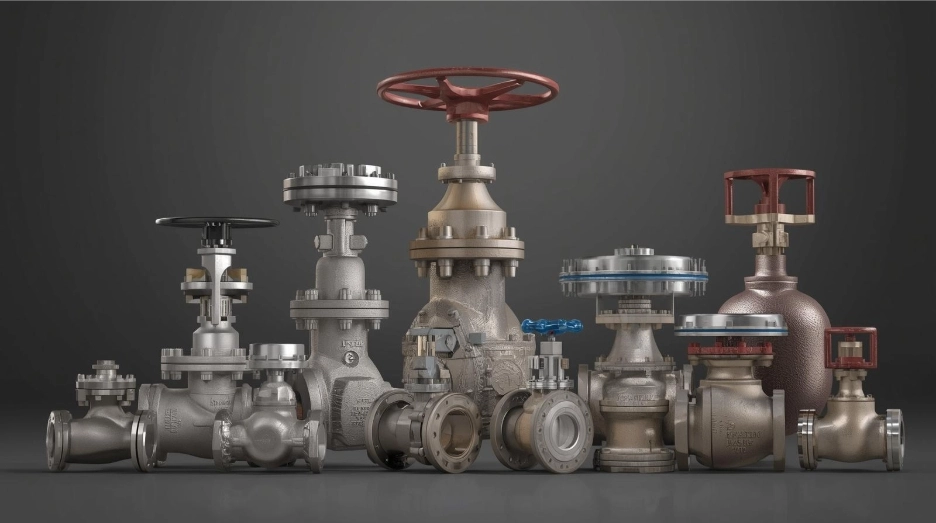
In LNG, air separation, LOX/LIN, and emerging hydrogen systems, valve selection is rarely a “catalog pick.” It’s a risky decision. Thermal shock, seat contraction, packing freeze-up, and trapped cavity pressure can turn into leakage, stuck operation, or late-stage rework.
This 2026 shortlist is designed to help procurement, EPC teams, and distributors compare industry leaders with a repeatable process so your RFQs are easier to evaluate, and your commissioning schedule is better protected.
What makes a ball valve “cryogenic”?
A cryogenic ball valve is engineered to stay operable and tight at very low temperatures, commonly down to about -196°C depending on service. One of the biggest design signals is an extended bonnet/neck, which helps keep the stem packing warmer and reduces frost/ice-related sealing problems.
From a buyer’s perspective, cryogenic duty changes the failure modes. A valve that seals perfectly at ambient conditions can leak after cooldown, bind during cycling, or develop body-cavity pressure issues during warmup. That’s why top-tier suppliers should be evaluated on test evidence, materials traceability, and configuration control, not just datasheet claims.
A simple RFQ checklist for low-temperature duty
If you want consistent outcomes across projects, standardize the questions you ask every vendor. Use this list to qualify potential partners before you compare pricing:
- Media & cleanliness: LNG/LPG, LIN/LAR, LOX (oxygen-cleaning needs), hydrogen; include impurity assumptions
- Temperature & cycling: minimum operating temperature, cooldown frequency, expected open/close cycles
- Pressure class & ends: class/rating, RF/RTJ/BW/SW/THR, and any face-to-face expectations
- Sealing approach: soft seat vs metal seat, SPE/DPE preference, anti-static, blowout-proof stem, cavity pressure management
- Testing & documentation: cryogenic testing scope (type vs production), MTCs, PMI/NDE requirements, data-book format
- Delivery & support: realistic lead time, spares availability, deviation/NCR response process, after-sales support model
Top 5 cryogenic ball valve manufacturers 2026 shortlist
Below are five brands commonly shortlisted in global cryogenic projects. Treat this as a starting point, then validate fit against your duty conditions and client specifications.

1) GOWIN
If you’re publishing this on GOWIN’s site, your advantage is straightforward: visitors can quickly move from shortlist research to product validation. Start with the GOWIN and then review the Ball Valves category. This is the fastest way to see where cryogenic options sit within the broader lineup. For many EPC and distributor RFQs, cryogenic tags sit alongside adjacent ball valve specs (maintenance-friendly bodies, severe-service seats, pipeline actuation). These related product pages help you standardize across the same supplier, especially when you’re consolidating your vendor panel among high-performance valve makers:
- Top-Entry Ball Valve (useful when in-line maintenance access matters)
- Metal-to-metal Seat Ball Valve (for higher-temperature or abrasive/severe-duty sealing needs)
- Gas Over Oil Actuated Ball Valve (often referenced for long-distance pipelines/remote shutdown requirements)
- Motorized Ball Valve (electrical actuation for automated systems)
- 2 PCS Ball Valve and 3 PCS Ball Valve (common isolation formats for many industrial line lists)

2) Habonim
Habonim is frequently shortlisted for cryogenic applications where buyers want clear series-level engineering information and configuration options. If your RFQ requires a tight match on design details, sealing approach, thermal management, and documentation structure, Habonim is a strong benchmark against other Cryogenic ball valve manufacturers.
3) Flowserve Worcester Controls
Flowserve Worcester Controls is commonly considered for cryogenic duty, where buyers value mature product lines and robust documentation practices. Many global teams evaluate Flowserve when they want predictable lifecycle planning, spares strategies, field support pathways, and consistent product families, especially in critical service environments.

4) KITZ
KITZ is often shortlisted in cryogenic programs where consistency, disciplined QA, and stable product families matter. For procurement teams building long-term supplier panels, KITZ is commonly included in qualified vendor evaluations focused on standardization and long-term operating confidence.
5) Neway
Neway is often considered when project line lists are large, and coverage across sizes/classes is important. In RFQs that prioritize scalable manufacturing and repeatable documentation across many tags, Neway is frequently evaluated alongside other high-capacity global sources.
How to compare vendors without “spec theater”
Most brochures sound the same. The difference shows up when you ask for proof that maps to real cryogenic failure modes. When comparing different brands, require each bidder to answer the following in writing:
- Cryogenic test clarity: what is type-tested vs production-tested, acceptance criteria, and what records are included
- Extended bonnet rationale: bonnet/neck length approach, and how the packing temperature is protected
- Seat behavior during thermal cycling: soft seat vs metal seat options, SPE/DPE approach, and leakage targets
- Cavity pressure management: design features and recommended installation practices to prevent pressure buildup
- Traceability & QA: MTCs for pressure parts, PMI/NDE expectations, and data book structure
To keep decisions objective, use a simple scoring matrix. Rate each vendor on documentation quality, test evidence strength, delivery risk, and after-sales support. This makes apples-to-apples comparisons easier, even when quotes arrive with different assumptions.
Conclusion
A dependable cryogenic sourcing program is built on repeatability: define duty, shortlist by function, lock materials and sealing to the failure mode, then confirm testing, actuation, and installation constraints. That’s how you reduce commissioning surprises and keep low-temperature systems stable long after startup. For your next RFQ, review GOWIN’s ball valve range (including cryogenic options) and share your duty conditions with the team to request a quotation and technical support.
3 key takeaways
- Cryogenic selection is a risk exercise test; evidence, sealing strategy, and thermal-cycle performance matter more than brochure claims.
- Standardize your RFQ checklist so you can compare bidders consistently and avoid late-stage rework.
- Choose partners that can prove traceability, documentation discipline, and realistic delivery support, not just a low initial price.
FAQs (People also asked)
Q1: What is a cryogenic ball valve used for?
A1: Cryogenic ball valves are used to isolate or control very low-temperature fluids and gases in LNG, air separation (LIN/LAR/LOX), ethylene, and other cryogenic systems where standard valves may leak or become difficult to operate.
Q2: Why do cryogenic ball valves have an extended bonnet?
A2: An extended bonnet helps keep stem packing and seals away from the coldest zone, reducing frost/ice formation and helping the packing maintain sealing performance during cooldown and cycling.
Q3: What temperature is considered “cryogenic” for valves?
A3: In many industrial contexts, cryogenic duty is associated with very low temperatures (often below -50°C, and frequently down to -196°C for common cryogenic media depending on design and standards).
Q4: Can regular ball valves be used for LNG or LOX?
A4: Usually not. Cryogenic services introduce thermal contraction and sealing challenges that require purpose-built designs, correct materials, and validated low-temperature performance.
Q5: What should be included in a cryogenic valve documentation pack?
A5: Common requirements include datasheets, drawings, material test certificates (MTCs), pressure test reports, traceability records, and cryogenic test evidence (type or production, as specified), plus oxygen-cleaning declarations if LOX service is involved.


 CHINA
CHINA LIBERIA
 FRANCE
 BARBADOS
 KIRIBATI

