


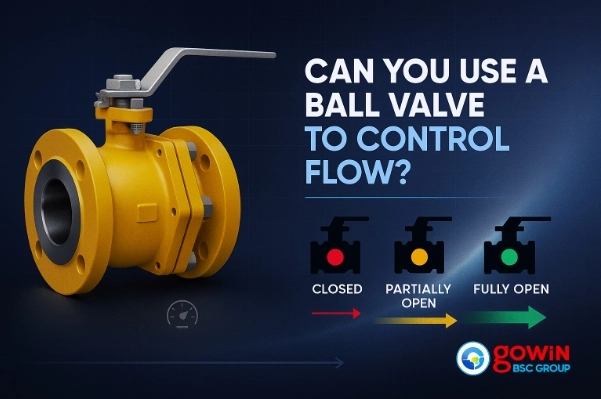
네, 볼 밸브를 유량 제어에 사용할 수 있지만, 일반 볼 밸브는 정밀한 유량 조절이 필요하지 않은 용도에만 적합합니다. 정확한 유량 조절을 위해서는 선형 유량 특성을 통해 안정적이고 정밀한 제어가 가능한 V형 볼 밸브를 사용하는 것이 좋습니다.
일반 볼 밸브와 유량 제어 밸브의 차이점
일반 볼 밸브는 유량을 제어할 수 있지만, 정밀한 용도에는 적합하지 않게 만드는 상당한 한계가 있습니다.
핵심 문제는 비례성입니다. 볼 밸브는 볼에 큰 원형 구멍이 뚫려 있습니다. 밸브 위치를 조금만 조정해도 유량이 크게 변합니다. 밸브 스템과 볼 사이의 기계적 유격 때문에 정확한 위치 조정이 불가능합니다. 따라서 정확히 동일한 유량 설정으로 되돌리는 것이 어렵습니다.
토크 요구 사항은 또 다른 어려움을 야기합니다. 볼 밸브는 완전히 닫힌 위치와 완전히 열린 위치에 가깝게 움직이려면 높은 토크가 필요합니다. 이 때문에 해당 범위 내에서 미세한 조정을 하는 것이 거의 불가능합니다.
기준 볼 밸브 제한된 상황에서 유량 제어를 위한 작업:
- 탱크 수위를 목표 수위에서 몇 인치 이내로 유지
- 10-20%의 유량 변동이 허용되는 응용 분야
- 폐기물이 문제가 되지 않는 저렴한 유체를 처리하는 시스템
- 정밀도가 중요하지 않은 예산이 제한된 설치 환경
고가의 자재를 제어하거나, 반복 가능한 설정이 필요하거나, 15%보다 더 높은 유량 정확도가 요구되는 경우에는 일반 볼 밸브를 사용하지 마십시오.
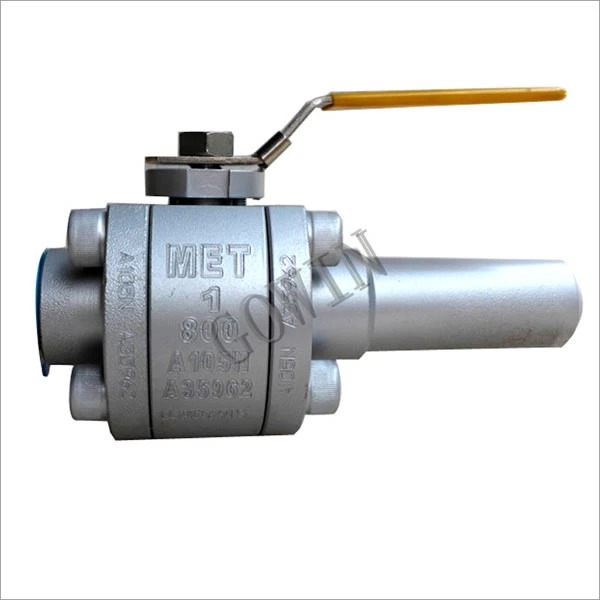
- 공칭 직경: 1/2″-10″ DN15-DN250
- 압력: 150LB-2500LB 2.5Mpa-42.0Mpa
- 연결 종료: RF, RTJ, BW, THR, SW
- 온도: -196℃~650℃
정밀한 유량 제어를 위한 V-포트 볼 밸브
이러한 목적으로 특별히 설계된 유량 조절 볼 밸브는 볼 또는 시트에 V자형 홈을 파서 사용합니다. 이 홈은 밸브 위치에 따른 유량 반응 방식을 변화시킵니다.
V형 볼 밸브를 열면 V자 모양의 좁은 쪽 끝으로 소량의 유체가 빠른 속도로 흐릅니다. 밸브를 계속 열면 유량이 거의 선형적으로 증가하여 예측 가능한 관계를 형성하고 정밀한 제어를 가능하게 합니다.
V-포트 구성은 다양한 각도로 제공됩니다.
- 30° V자형 홈: 가장 정밀한 제어, 회전 각도당 유량 변화 최소화
- 60° V자형 홈: 대부분의 용도에 적합한 균형 잡힌 제어 및 유량 용량
- 90° V자형 홈: 최대 유량 용량과 우수한 제어 특성을 갖습니다.
이 밸브는 표준 볼 밸브의 핵심 장점을 유지하면서 정밀도를 향상시켰습니다. 닫혔을 때 완벽하게 밀폐되고, 1/4바퀴만으로 작동하며, 고압 및 고온 환경에서도 작동합니다. V-포트 설계는 표준 볼 밸브에는 없는 유량 제어 기능을 제공합니다.
V-포트를 사용하는 볼 밸브 설계의 유량 제어는 다음과 유사한 성능을 보입니다. 글로브 밸브 볼 밸브는 다양한 용도에 사용되는 니들 밸브와 유사한 기능을 합니다. 볼 밸브는 침식성 또는 부식성 환경에서 글로브 밸브보다 수명이 길기 때문에 정밀도와 내구성이 모두 중요한 경우에 더 나은 선택입니다.
볼 밸브와 다른 유량 제어 방식 비교
밸브 유형 선택은 특정 제어 요구 사항 및 작동 조건에 따라 달라집니다.
글로브 밸브 글로브 밸브는 유량 제어에 전통적으로 사용되는 밸브입니다. 뛰어난 유량 조절 능력과 매우 정밀한 조정을 제공합니다. 플러그 앤 시트 설계로 전체 유량 범위에 걸쳐 세밀한 제어가 가능합니다. 글로브 밸브는 유로가 밸브 본체를 통과하면서 두 번의 90도 회전을 하기 때문에 볼 밸브보다 압력 강하가 더 큽니다.
니들 밸브 이 밸브는 소량 유량에 가장 정밀한 유량 제어를 제공합니다. 계측 장비, 샘플링 시스템 및 매우 정밀한 조정이 필요한 응용 분야에 탁월합니다. 하지만 볼 밸브만큼 대용량의 유량을 처리할 수는 없습니다.
볼 밸브 압력 강하가 낮고, 마모성 환경에서 내마모성이 우수하며, 유량 용량이 더 높습니다. 바늘 밸브1/4회전 작동 방식은 빠른 응답 속도를 제공하며, 열악한 환경에서도 유지보수가 적게 필요합니다. 글로브 밸브나 니들 밸브의 초정밀 유량 조절 기능보다 이러한 장점이 더 중요할 경우 유량 조절 볼 밸브를 선택하십시오.
각 유형별 적용 사례 및 사용 시점
볼 밸브의 다양한 구성은 각기 다른 적용 분야의 요구 사항을 충족합니다. 표준 볼 밸브는 비교적 간단한 유량 제어에 적합하며, V-포트 설계는 정밀한 유량 제어에 적합합니다.
표준 볼 밸브 적용 사례
농업용 관개 시스템: 대규모 시설에서는 이를 이용하여 물 분배를 제어합니다. 이 시스템은 유량 변동에 강하고, 수백 대를 설치할 경우 밸브당 비용이 저렴하다는 장점이 있습니다.
산업용 냉각수: 공장에서는 이를 사용하여 열교환기로의 유량을 대략적으로 유지합니다. 정밀한 제어가 필수적이지 않으며, 간단한 작동 방식으로 유지보수 비용이 절감됩니다.
대량 화학물질 이송: 작업 현장에서는 탱크 간 자재 이동 시 이를 사용합니다. 목표는 정확한 유량을 유지하는 것이 아니라 특정 수위까지 채우는 것입니다.
V-포트 볼 밸브 적용 분야
화학 반응기 공급 시스템: 이러한 반응 조건을 유지하려면 정확한 유량 제어가 필요합니다. V형 볼 밸브는 부식성 화학 물질을 처리하는 동시에 공정 제어에 필요한 정밀도를 제공합니다.
슬러리 처리: 광산 작업에서 이러한 밸브를 사용하는 이유는 V자형 포트 설계가 글로브 밸브보다 막힘에 대한 저항력이 뛰어나기 때문입니다. 날카로운 V자형 모서리는 침전된 고형물을 쉽게 제거할 수 있도록 도와줍니다.
증기 제어: 발전소는 사용합니다 공압 볼 밸브 V-포트 트림이 장착되어 있습니다. 고온 및 고압 환경에서도 작동하며 정밀한 증기 유량 조절 기능을 제공합니다.
송유관 압력 저하: 발전소에서는 유량을 제어하면서 압력을 낮추기 위해 V형 볼 밸브를 사용합니다. 높은 압력 처리 능력과 정밀한 제어 기능을 갖춘 V형 볼 밸브는 이러한 용도에 이상적입니다.
볼 밸브 사용을 피해야 하는 경우
일부 용도는 볼 밸브의 기능에 적합하지 않습니다. 다음과 같은 상황에서는 유량 제어용으로 볼 밸브를 사용하지 마십시오.
- 아주 고가의 자재를 사용하기 때문에 작은 폐기물조차도 큰 손실로 이어질 수 있습니다.
- 전체 유량 범위에서 5%보다 우수한 유량 정확도가 요구되는 응용 분야
- 매우 낮은 유량에서 극도로 정밀한 조정이 필요한 시스템
올바른 구성 선택
볼 밸브 유량 제어 방식이 필요에 적합하다고 판단되면, 몇 가지 구성 선택 사항이 성능에 영향을 미칩니다.
포트 구성: 풀포트 볼 밸브는 파이프와 동일한 직경의 개구부를 가지고 있어 최대 유량과 최소 압력 강하를 제공합니다. 스탠다드포트(축소 포트) 볼 밸브는 개구부가 더 작아 압력 강하는 더 크지만 가격이 저렴합니다. 유량 제어 용도에는 풀포트 설계가 더 적합합니다.
트러니언 vs. 플로팅 볼: 트러니언 장착형 볼 밸브 플로팅 볼 디자인에서 제어 정밀도를 제한하는 스템과 볼 사이의 유격을 제거합니다. 볼은 상단과 하단에 키가 있는 스템 연결부를 통해 기계적으로 고정됩니다.これにより 정밀한 위치 지정을 어렵게 하는 유격이 제거됩니다. 트러니언 디자인은 비용이 더 많이 듭니다. 플로팅 볼 밸브 하지만 중요한 애플리케이션에 대해서는 더 나은 제어 기능을 제공합니다.
재료 선택: 재질 선택은 사용되는 공정 유체에 따라 달라집니다. 스테인리스강은 부식성 유체에 적합하고, 탄소강은 탄화수소 및 증기에 적합합니다. 특수 합금이나 코팅은 극한 조건에서 사용 수명을 연장해 줍니다.
좌석 소재: 연질 시트(PTFE, RPTFE)는 밀봉력이 좋지만 마모가 빠릅니다. 금속 시트는 수명이 길지만 약간의 누출이 발생할 수 있습니다. V-포트 설계에서는 부분적으로 열린 위치에서 발생하는 고속 유동을 견디기 위해 경화 처리된 트림 소재를 사용하는 경우가 많습니다.
결정을 내리세요
표준 볼 밸브는 정밀도가 크게 중요하지 않고 예산이 제한적인 유량 제어에 적합합니다. 저렴한 유체를 처리하는 대규모 시스템에서 대략적인 제어만으로도 충분한 경우에 유용합니다.
V포트 볼 밸브는 정밀한 유량 제어를 제공하면서도 볼 밸브 설계의 장점인 내구성과 낮은 압력 강하를 유지합니다. 일반 볼 밸브보다 가격이 높지만, 동등한 글로브 밸브보다는 저렴하면서 수명은 더 긴 경우가 많습니다. 볼 밸브로 유량을 제어할 수 있을까요? 네, 하지만 필요한 정밀도에 맞는 밸브 유형을 선택해야 합니다. GOWIN의 엔지니어링 팀은 볼 밸브를 이용한 유량 제어가 귀사의 용도에 적합한지, 아니면 다른 유형의 밸브가 더 나은지 평가하는 데 도움을 드릴 수 있습니다. 오늘 저희에게 연락하세요.


 중국
중국 라이베리아
라이베리아 프랑스
프랑스 바베이도스
바베이도스 키리바시
키리바시

