


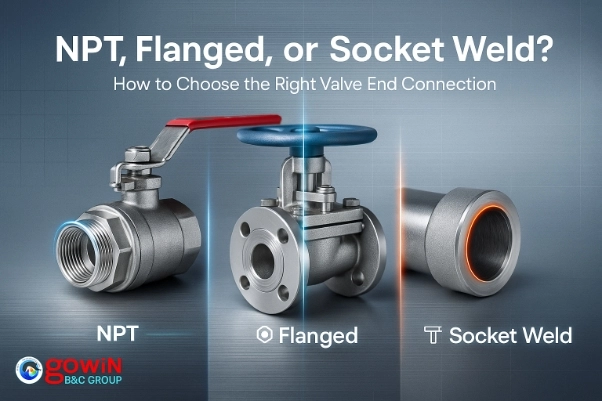
Choisissez en fonction de trois facteurs dans cet ordre : (1) la taille du tuyau réduit vos options, (2) la pression et la température de fonctionnement éliminent les connexions qui ne peuvent pas supporter vos conditions, et (3) les besoins d'entretien déterminent si vous pouvez vivre avec une installation permanente ou si vous avez besoin d'un accès facile.
Types de raccords d'extrémité de vannes : Comparaison rapide
Le bon raccordement de la vanne dépend de cinq facteurs clés : le diamètre du tuyau, pression de service et la température, les exigences en matière de prévention des fuites, les besoins d'accès pour la maintenance et votre budget. Voici un comparatif des trois types de raccordement les plus courants :
| Facteur | NPT (fileté) | à bride | Soudure par emboîtement |
| Taille du tuyau | 2″ (DN50) ou moins | Toutes tailles (courantes 2″ et plus) | 2″ (DN50) ou moins |
| Pression/Température | Faible à modéré | Moyen à élevé | Haut |
| Intégrité des fuites | Modéré (peut se desserrer) | Bon (selon le joint) | Excellent (permanent) |
| Entretien | Difficulté modérée | Facile (retrait des boulons) | Difficile (nécessite de découper) |
| Coût initial | Faible | Haut | Modéré |
| Installation | Facile (outils à main) | Facile (boulonnage) | Nécessite un soudeur qualifié |
| Idéal pour | Plomberie non critique, industrie légère | La plupart des systèmes industriels nécessitant un accès pour la maintenance | Installations critiques, permanentes et de haute intégrité |
Comment choisir le bon raccord d'extrémité de vanne
Passons en revue chaque facteur afin que vous puissiez faire le bon choix pour votre système spécifique.
Commencez par le diamètre du tuyau
Le diamètre de votre tuyau élimine d'emblée certaines options.
Pour les tuyaux de 2 pouces (DN50) ou moins : Les trois types de raccordement sont disponibles. Les raccords NPT et à souder sont les plus courants pour ces dimensions car ils sont plus compacts et économiques. Les raccords à brides sont également possibles, mais ils sont plus encombrants et plus coûteux.
Pour les tuyaux de plus de 2 pouces : Le raccord à brides est la solution standard. Le filetage des tuyaux de grand diamètre engendre des joints peu fiables et une installation difficile. Le soudage par emboîtement n'est pas utilisé au-delà de 50 mm (2 pouces) en raison de sa complexité et de son coût.
Maintenant que vous savez quels raccords correspondent à la taille de votre tuyau, passez au facteur suivant.
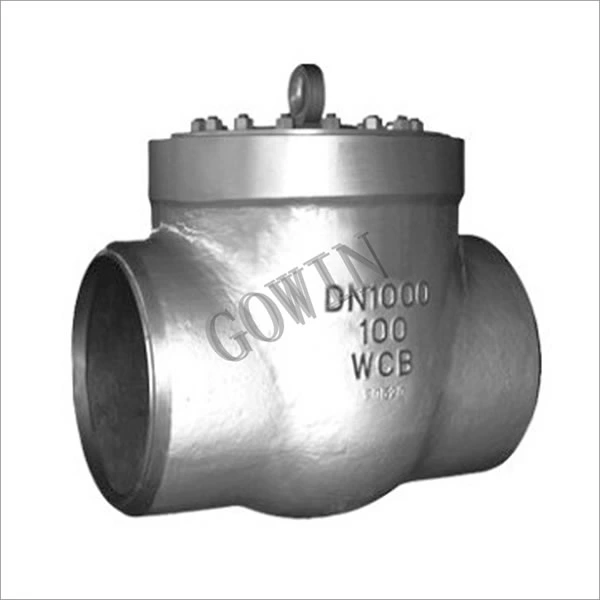
- Diamètre nominal : 1/2″-16″ DN15-DN400 (DN200–DN2600)
- Pression: 900 lb à 2 500 lb 16,0 Mpa à 42,0 Mpa
- Connexion finale : RF, RTJ, BW, THR, SW
- Moyen: Eau, pétrole, gaz
Évaluez vos conditions d'exploitation
La pression et la température de votre système restreindront encore davantage vos options.
NPT (fileté) : Conditions faibles à modérées
Que signifie NPT ? National Pipe Thread Taper, en référence à la conception conique du filetage qui se serre lors de l’installation.
Les raccords NPT sont compatibles avec les mastics d'étanchéité pour tuyaux ou les rubans PTFE pour les applications basse pression et basse température. La dilatation thermique et les vibrations peuvent progressivement desserrer les raccords filetés. Les températures élevées provoquent la dilatation et la contraction du tuyau, ce qui peut entraîner le desserrage du filetage. Les fortes vibrations ont le même effet.
NPT est le meilleur pour conduites d'eau, les systèmes d'air comprimé ou la plomberie générale où les pressions restent modérées et les températures stables.
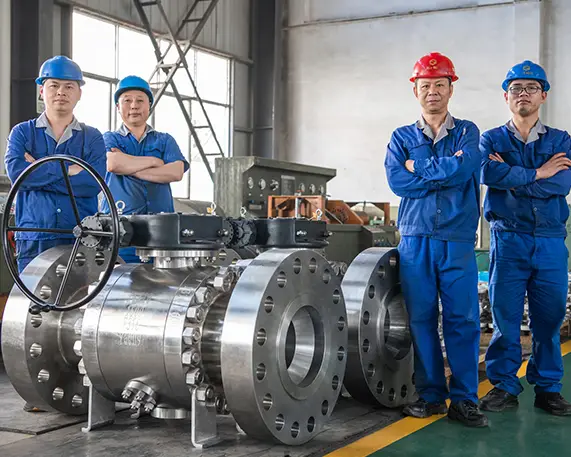
À brides : pression/température moyenne à élevée
Les assemblages à brides utilisent des boulons pour fixer deux brides ensemble, avec un joint entre elles. Cette conception supporte des pressions et des températures beaucoup plus élevées car l'assemblage boulonné maintient la force de serrage même lorsque les conditions varient.
Le matériau du joint peut être personnalisé en fonction du fluide et de la plage de température souhaités, allant du caoutchouc standard pour les systèmes d'eau au graphite ou au métal pour les applications à vapeur haute température.
La comparaison entre les raccords à brides et les raccords filetés penche souvent en faveur des raccords à brides pour les pressions élevées, les températures élevées ou les conditions qui compromettraient les raccords filetés.
Soudure par emboîtement : Capacité de pression/température maximale
Les connexions par soudage à emboîtement offrent une joint soudé permanent Le tuyau s'insère dans un logement encastré côté vanne, créant ainsi la connexion la plus solide et la plus étanche possible.
L'assemblage soudé résiste à des pressions et des températures extrêmes qui provoqueraient la rupture d'autres types de connexions. Le soudage par emboîtement est la norme dans les centrales électriques, les systèmes de vapeur haute pression et les applications critiques de traitement chimique.
Choisissez le soudage par emboîtement pour une intégrité maximale dans des conditions d'utilisation difficiles où vous ne prévoyez pas de démonter la connexion.
Considérez les conséquences des fuites
Ce qui transite par le système est important. Les conséquences d'une connexion défaillante devraient fortement influencer votre choix.
NPT : Intégrité d'étanchéité modérée
L'étanchéité des raccords filetés dépend d'une technique d'installation appropriée. Un manque de mastic, un filetage croisé ou un serrage incorrect peuvent provoquer des fuites. Même des raccords NPT correctement installés peuvent présenter des fuites au fil du temps sous l'effet des vibrations et des variations de température.
Le procédé NPT convient aux applications non critiques où les fuites mineures ne créent pas de risques pour la sécurité ni de pertes de produit coûteuses.
À brides : bonne étanchéité
Les raccords à brides assurent une étanchéité fiable et constante lorsqu'ils sont correctement assemblés avec le joint et le couple de serrage appropriés. Cependant, les joints peuvent se détériorer en cas d'exposition à des produits chimiques incompatibles ou si des températures extrêmes entraînent une dilatation différentielle entre les faces des brides.
Les joints à brides offrent une étanchéité fiable pour la plupart des applications industrielles où un entretien occasionnel permet de remédier à l'usure des joints.
Soudure par emboîtement : Excellente étanchéité
Une soudure par emboîtement correctement exécutée crée une liaison métallurgique permanente et étanche. Il n'y a ni joint susceptible de se dégrader, ni filetage pouvant se desserrer, ni boulon pouvant se desserrer. Le seul risque de fuite provient d'une mauvaise technique de soudage ou de la corrosion par piqûres dans le petit espace laissé pour la dilatation thermique lors du soudage.
Pour les matières dangereuses, les produits de grande valeur ou les applications où même de petites fuites créent des problèmes de sécurité, le soudage par emboîtement offre la plus grande intégrité.
Pensez aux besoins futurs en matière d'entretien.
Aurez-vous besoin d'accéder à cette vanne pour l'inspecter, la réparer ou la remplacer ? Votre réponse déterminera si vous regretterez votre choix de raccordement dans quelques années.
À bride : Accès facile
Les raccords à brides permettent de dévisser les brides et de retirer la vanne pour inspection, remplacement du siège ou remplacement complet de la vanne. Ils sont donc parfaitement adaptés aux systèmes nécessitant une maintenance régulière, des programmes d'inspection ou des applications où une mise à niveau des composants pourrait s'avérer nécessaire ultérieurement.
C'est particulièrement précieux avec vannes à bille montées sur tourillon ou d'autres conceptions à plusieurs pièces où vous souhaitez pouvoir entretenir les composants sans perturber l'ensemble de la ligne.
NPT : Accès limité
Les raccords NPT peuvent être dévissés pour la maintenance, mais il est impossible de retirer la vanne sans raccords union ailleurs sur la canalisation. Sans ces raccords, le retrait d'une vanne filetée risque de rompre des connexions dans le réseau de tuyauterie. De plus, le filetage s'use à chaque montage et démontage, nécessitant à terme son remplacement.
Soudure par emboîtement : Accès difficile
Le soudage par emboîtement garantit une installation permanente. Le remplacement de la vanne nécessite de couper le tuyau des deux côtés, puis de ressouder de nouveaux tronçons après la pose de la nouvelle vanne. De ce fait, la maintenance courante est complexe et coûteuse.
Si vous avez besoin d'un accès régulier pour la maintenance, l'inspection ou d'éventuelles mises à niveau, les raccords à brides sont rapidement rentabilisés. Le soudage par emboîtement n'est pertinent que pour les installations permanentes nécessitant un accès rare.
Équilibrer le coût initial et la valeur à long terme
Le budget est important, mais ne vous arrêtez pas au prix d'achat. Les coûts d'installation et les frais d'entretien futurs s'accumulent rapidement.
NPT : Investissement initial minimal
Les raccords filetés présentent le coût initial le plus bas. Ils ne nécessitent ni joints, ni boulons, ni matériel de soudage. Leur installation requiert des outils manuels de base et du mastic d'étanchéité. Pour les petits systèmes ou les applications non critiques, cet avantage économique est souvent déterminant.
À brides : coût initial plus élevé, meilleure valeur à long terme
Les raccords à brides nécessitent des brides, des joints, des boulons et des écrous adaptés. Leurs composants sont plus coûteux que ceux des raccords filetés, et leur installation est plus longue. Cependant, la facilité d'accès pour la maintenance permet de réaliser d'importantes économies à long terme en réduisant les coûts de main-d'œuvre lors des interventions d'entretien ou de réparation.
Soudage par emboîtement : coût initial modéré, coûts de dépose élevés
Les composants à souder par emboîtement coûtent moins cher que les brides, mais leur installation requiert des soudeurs qualifiés. En cas de démontage de la vanne, les frais de découpe et de resoudage dépassent rapidement les économies initiales réalisées par rapport aux raccords à brides.
Pour les systèmes non critiques à budget limité, le filetage NPT offre le coût d'entrée le plus bas. Pour les systèmes nécessitant une maintenance, le raccordement à brides offre une meilleure durée de vie. Le soudage par emboîtement convient lorsque la pérennité prime sur l'accessibilité future.
NPT vs FNPT : Quelle est la différence ?
Lorsqu'on spécifie des raccords filetés, on rencontre les abréviations NPT et FNPT. NPT désigne le filetage mâle (externe), tandis que FNPT signifie filetage femelle (interne). Les deux suivent la même norme de conicité. Le « F » indique simplement le sexe du filetage. La plupart des vannes utilisent des extrémités FNPT pour recevoir un filetage mâle NPT.
Synthèse du tout
Votre processus de décision devrait suivre cet ordre :
- Vérifiez le diamètre de votre tuyauAu-delà de 5 cm, il faut prévoir un rebord. Pour les dimensions inférieures ou égales à 5 cm, plusieurs options s'offrent à vous.
- Examiner les conditions de fonctionnementUne pression ou une température élevée élimine le filetage NPT. Dans des conditions extrêmes, le soudage par emboîtement est préférable.
- Évaluer les conséquences de la fuiteLes matières dangereuses ou les procédés critiques nécessitent un soudage par emboîtement ou par bride.
- Plan d'entretienL'accès régulier aux services favorise fortement les brides.
- Comparer les coûts totauxÉquilibrer l'investissement initial et les frais d'entretien sur toute la durée de vie.
Par exemple, vannes à pointeau hydrauliques Les vannes fonctionnant à haute pression nécessitent généralement des raccords à brides pour faciliter la maintenance ou des raccords soudés par emboîtement pour une intégrité maximale. Le filetage NPT n'est pas adapté à ces conditions de fonctionnement. Chez GOWIN, nous fabriquons des vannes industrielles avec les trois types de raccords pour différentes applications. Notre équipe technique vous accompagne dans l'évaluation de vos besoins spécifiques afin de choisir le type de raccord approprié. Forts de plus de 16 ans d'expérience et de nombreuses certifications, nous vous proposons des solutions sur mesure. API6DCertifiés ISO9001 et conformes à la norme de sécurité incendie API607, nous fournissons des solutions de vannes qui répondent aux exigences de votre environnement d'exploitation. Contactez-nous dès aujourd'hui pour en savoir plus sur notre processus.


 CHINE
CHINE LIBÉRIA
 FRANCE
 BARBADE
 KIRIBATI

